Haze from Kalimantan fires to persist in Sarawak
What happened
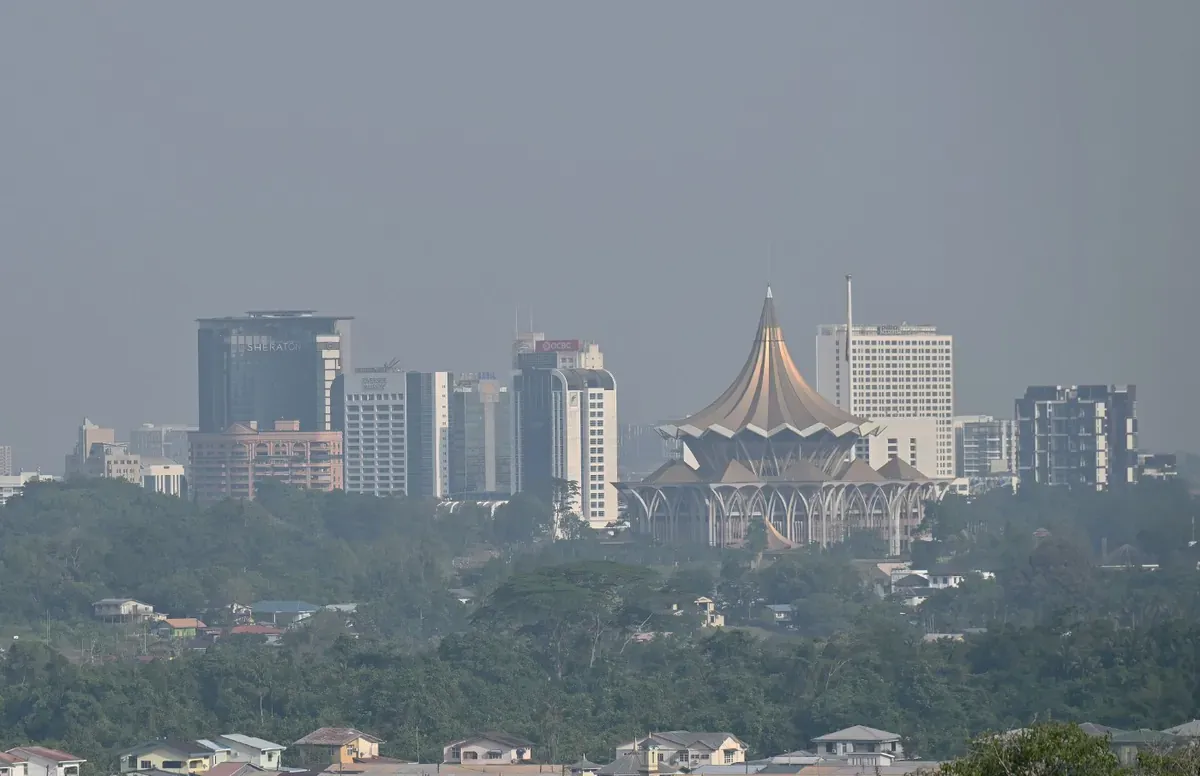
Forest and land fires in West Kalimantan, Indonesia, are expected to prolong haze in Sarawak, Malaysia. The Borneo Post reported on Aug 20 that Pontianak, the provincial capital, recorded Indonesia's worst air quality that day.
The Air Quality Index (AQI) in Pontianak stood at 191 as of 6.56am local time. That level is unhealthy and has contributed to the transboundary haze affecting Sarawak.
Why it matters
Sarawak has faced recurring haze from fires in Indonesian Borneo. The ongoing blazes mean residents will continue to deal with poor air quality in the coming days.
Haze poses health risks, especially for children and the elderly. It also disrupts outdoor work and school sessions.
Impact on Sarawak
Sarawak's Department of Environment typically monitors air quality and issues health advisories during haze. Local authorities may advise schools to suspend outdoor activities.
The prolonged haze could also hurt tourism and outdoor industries in Sarawak. Businesses dependent on outdoor operations may face disruptions.
Regional context
Fires in Kalimantan are often linked to land clearing for agriculture, including palm oil plantations. Seasonal dry weather worsens the burning, spreading haze across Southeast Asia.
Indonesia has faced international pressure to curb forest fires, but enforcement remains difficult. The haze is a recurring regional problem affecting Malaysia, Singapore, and other neighbors.
What to watch
Rainfall and wind direction will determine how long the haze lasts. If fires continue without significant rain, Sarawak's air quality may worsen.
Authorities in both countries may boost firefighting and cross-border cooperation. Public advisories from Malaysia's Department of Environment should be monitored for updates.
Key facts
- Forest and land fires in West Kalimantan are expected to prolong haze in Sarawak.
- Pontianak recorded an AQI of 191, Indonesia's worst on Aug 20.
- The haze poses health risks and disrupts daily life in Sarawak.