Inokom opens RM300m paint shop in Kulim, doubles capacity
What happened
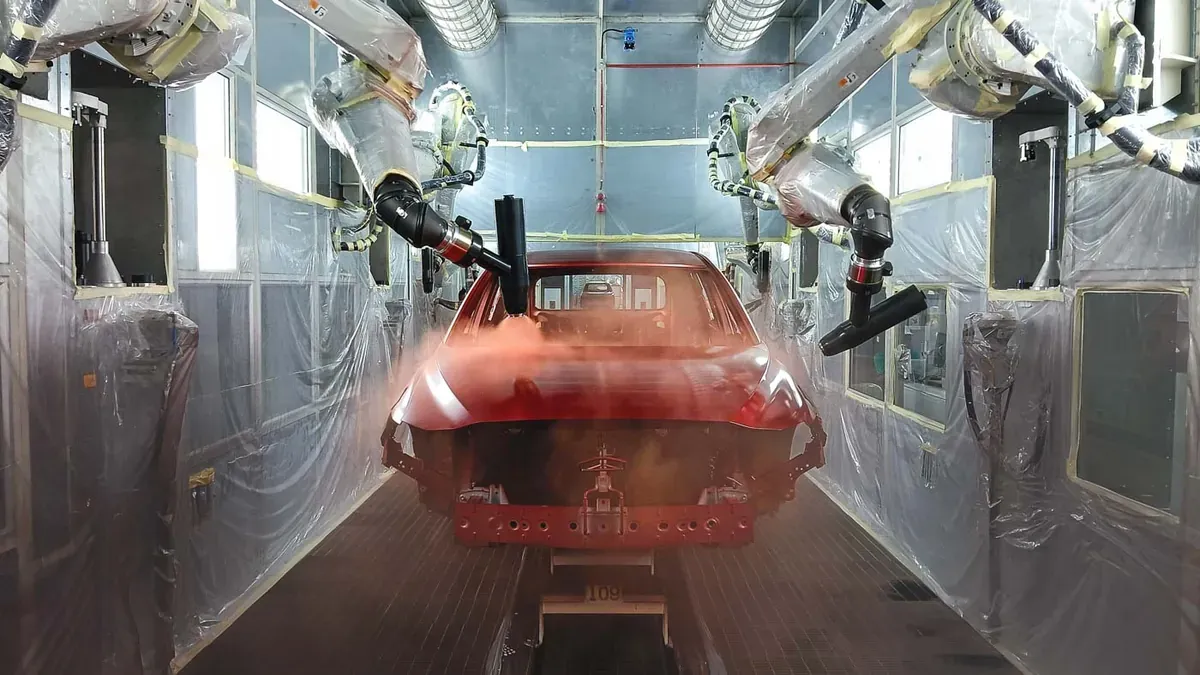
Inokom opened a RM300 million paint shop at its Kulim, Kedah facility. Minister of Investment, Trade and Industry Datuk Seri Johari Abdul Ghani led the launch. The new facility doubles Inokom's annual production capacity to 100,000 cars.
The paint shop is operated entirely by Malaysian workers. The investment marks a major expansion for the company, which assembles vehicles for multiple brands.
Why it matters
The expansion strengthens Malaysia's automotive manufacturing base, particularly in the northern region. It supports the government's push for higher value-added manufacturing and local talent development. The fully Malaysian workforce underscores the country's capability in advanced automotive processes.
The new capacity helps position Malaysia as a regional automotive hub. It also creates skilled jobs in Kulim, contributing to the local economy.
Impact on Malaysia
The investment reflects confidence in Malaysia's industrial policies and workforce. Inokom is a key contract manufacturer for various international car brands in Malaysia. The paint shop upgrade is part of broader efforts to modernize facilities and meet growing demand.
This move may attract more original equipment manufacturers to outsource assembly to Malaysia.
Government perspective
Minister Johari Abdul Ghani underscored the importance of such investments in boosting the country's industrial capabilities. He noted that the project demonstrates Malaysia's competitiveness in the region. The government continues to encourage high-tech manufacturing investments.
Industry context
Inokom's expansion comes amid rising demand for vehicles assembled locally. The company's ability to handle more units could make it a more attractive partner for global brands.
The paint shop's technology and workforce are central to Inokom's value proposition.
What's next
With doubled capacity, Inokom is positioned to increase output and potentially secure new contracts. The company may also expand its export activities. Further investments in automation and upskilling are likely as production scales up.
The project's success could influence other manufacturers to invest in similar facilities in Malaysia.