Kelana Jaya LRT resumes after safety fault
What happened
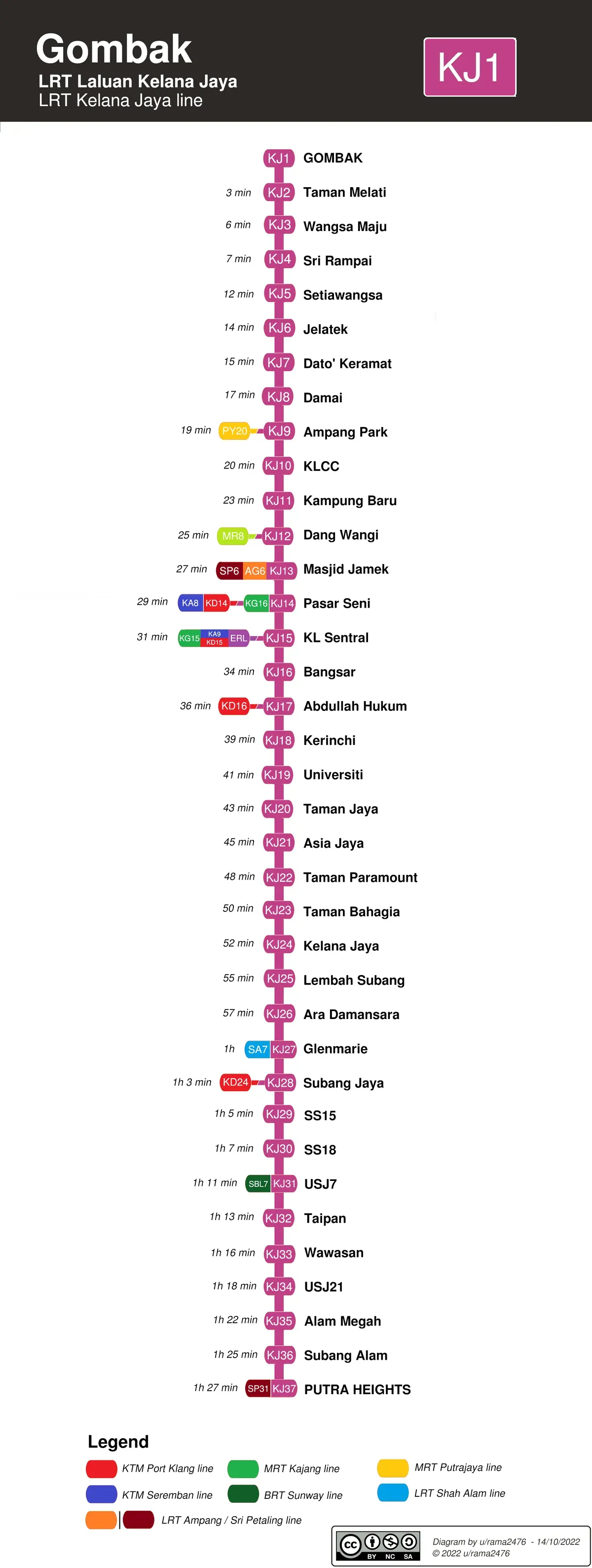
Rapid KL said the Kelana Jaya LRT Line resumed normal operations at 9.19am today. The disruption was caused by a safety system fault at Putra Heights station. Services were halted for inspection and repairs.
The fault occurred earlier this morning. Rapid KL deployed additional staff and provided alternative bus services to assist passengers.
Why it matters
The Kelana Jaya LRT Line is one of Kuala Lumpur's busiest rail corridors. It connects key residential and commercial areas, carrying tens of thousands of passengers daily. Disruptions affect commuter flow and public confidence in rail reliability.
Timely restoration helps maintain trust in public transport. Rapid KL's swift response minimised longer-term disruption. The incident highlights the need for regular safety system maintenance.
Impact on Malaysia
This disruption affects daily commuters in the Klang Valley, a major economic hub. Reliable public transport is vital for workforce mobility and productivity. Prolonged outages could lead to economic losses and increased road congestion.
The quick recovery reassures businesses and commuters. It also underscores the need for continued investment in rail infrastructure. Malaysia's urban rail network is expanding to meet growing demand.
Response from authorities
Rapid KL issued a statement confirming normal operations resumed. They apologised for the inconvenience. No injuries were reported.
Authorities are investigating the root cause. Preventive measures will be reviewed to avoid recurrence. Passengers are advised to check service updates.
Context
This is not the first disruption on the Kelana Jaya Line this year. Previous incidents have prompted calls for better maintenance protocols. The line is part of the broader Rapid KL network.
Public transport reliability remains a key focus for the government. Ongoing upgrades aim to improve system resilience. Commuters are encouraged to plan journeys with real-time alerts.
What's next
Services are back to normal, but the incident raises questions about system robustness. Regular maintenance and rapid response are essential for urban mobility. The focus now shifts to preventing similar faults.
For now, commuters can resume their usual routines. The rail operator's transparency helps maintain public trust. Future investments should prioritise safety and reliability.