Sarawak haze: Six areas hit hazardous API readings
What happened
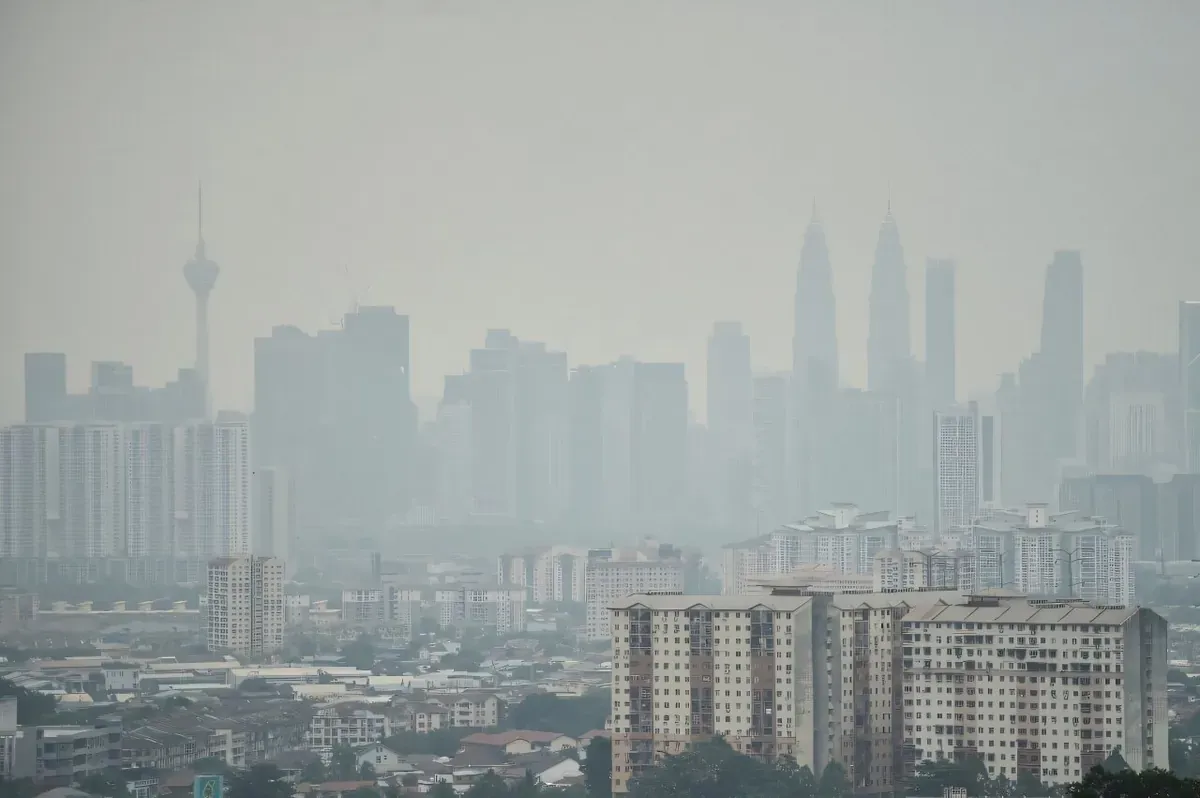
Six areas in Sarawak recorded Air Pollutant Index (API) readings at hazardous levels as of 8 am today. The Serian District Police Headquarters logged the highest reading at 408.
Haze has worsened across the state, raising public health concerns. The national API standard classifies readings above 300 as hazardous.
Why it matters
Hazardous API readings pose severe health risks, especially for children, the elderly, and those with respiratory conditions. Prolonged exposure can lead to acute respiratory distress and other complications.
The situation disrupts daily life, potentially causing school closures and work stoppages. Authorities may need to enforce emergency measures to protect public health.
Impact on Malaysia
The haze is a recurring transboundary issue for Malaysia, often linked to forest fires in neighboring countries. Sarawak, on Borneo island, is frequently among the hardest-hit regions.
This incident underscores the need for regional cooperation on air quality management. It also pressures local agencies to improve monitoring and response systems.
Government response
The Department of Environment typically issues health advisories during such episodes. Local authorities may distribute masks and set up relief centers for affected communities.
Officials are expected to release API updates throughout the day. The public is advised to stay indoors and minimize outdoor activities.
Background
API readings are measured by the Department of Environment and updated hourly. A reading above 300 is classified as hazardous, while 200-300 is very unhealthy.
Sarawak has experienced severe haze episodes in past years, often during the dry season. The current readings suggest a significant deterioration in air quality.
What to watch
Further API updates will determine if hazardous levels persist or spread. Wind direction and rain will influence the haze trajectory.
Health authorities may issue stronger advisories if readings remain high. The situation highlights the need for long-term solutions to address regional haze sources.