



Is the HP OmniBook 5 the Right Laptop for Your Next Upgrade?
A Malaysian buyer's guide to the HP OmniBook 5 upgrade question, with five alternative laptops priced in RM for students, office workers, creators and…
| Laptop | CPU | GPU | Display | Memory | Storage | Battery | Price (RM) |
|---|---|---|---|---|---|---|---|
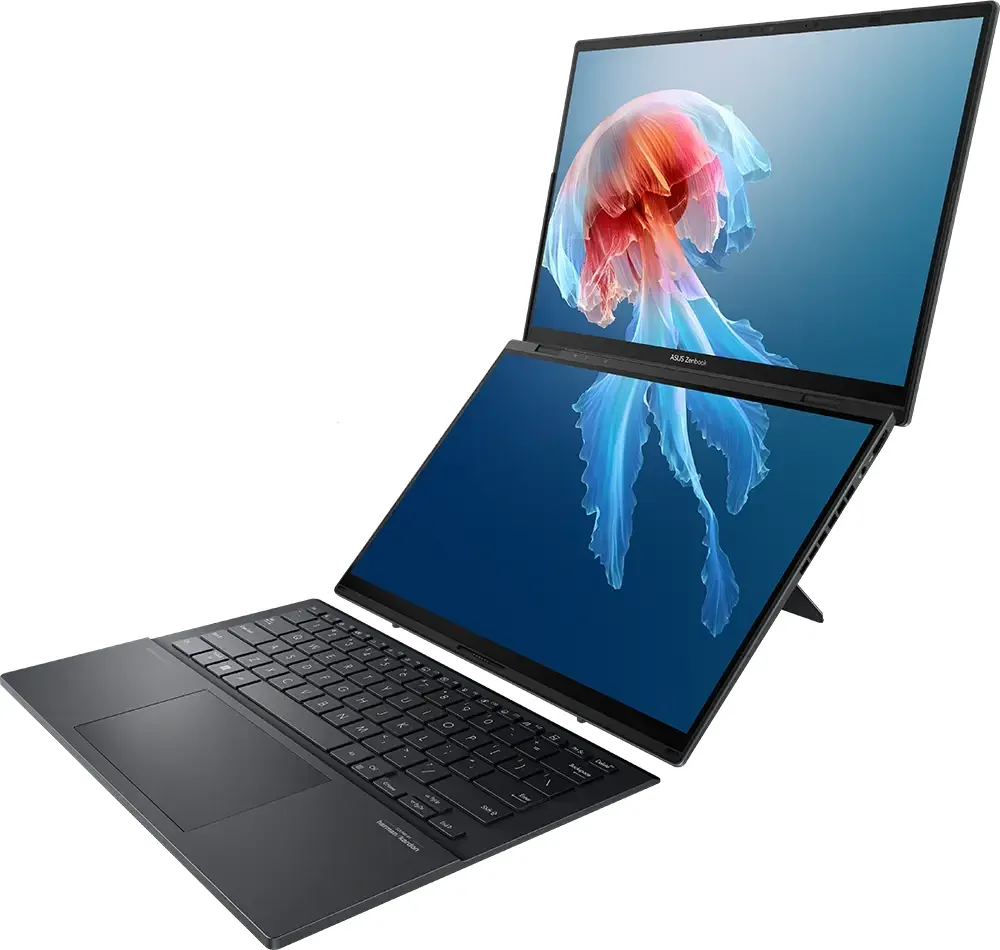
| ASUS Zenbook DUO (2024) UX8406 | Intel ® Core ™ Ultra 9 processor (Series 2) | — | Dual 14” full-size 3K OLED touchscreens | 32 GB LPDDR5x memory | up to a 2 TB PCIe ® 4.0 SSD | 75 Wh battery | — |
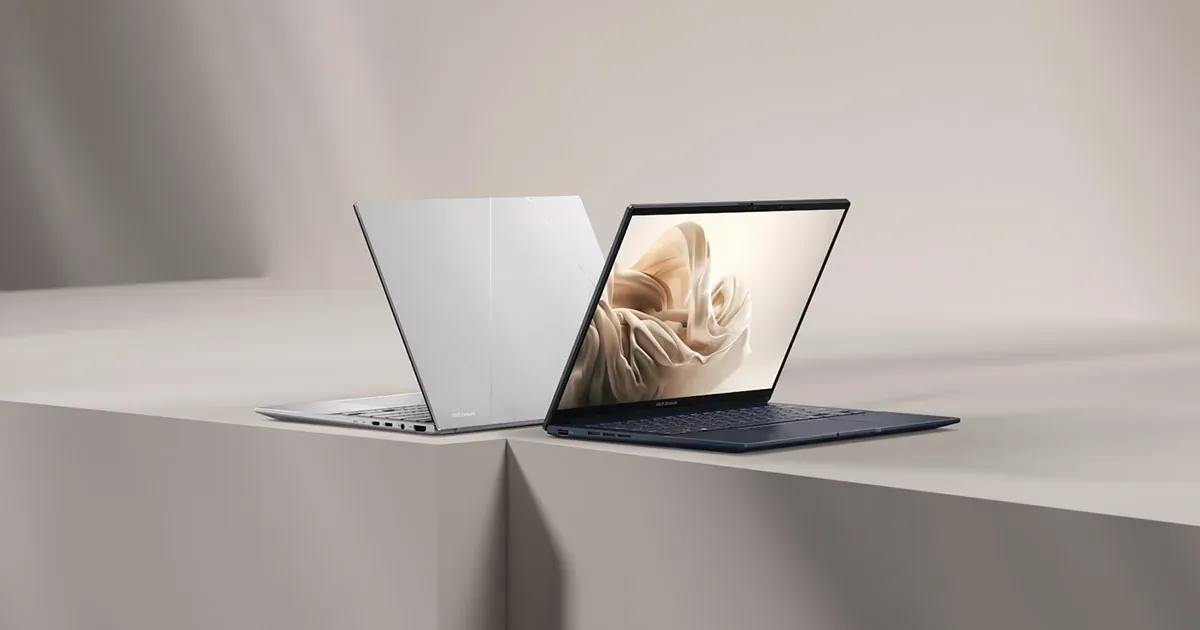
| ASUS Zenbook 14 OLED UX3405 | Intel® Core™ Ultra 9 Processor 185H 2.3 GHz (24MB Cache, up to 5.1 GHz, 16 cores, 22 Threads); Intel® AI Boost NPU up to 11TOPS | Intel® Arc™ Graphics | 14.0-inch, 3K (2880 x 1800) OLED 16:10 aspect ratio, 0.2ms response time, Refresh Rate:120Hz, 400nits, 500nits HDR peak brightness, 100% DCI-P3 color gamut, 1,000,000:1, VESA CERTIFIED Display HDR True Black 500, 1.07 billion colors, 70% less harmful blue light, TÜV Rheinland-certified, SGS Eye Care Display, Touch screen, (Screen-to-body ratio)87%, With stylus support | 32GB LPDDR5X on board | 1TB M.2 NVMe™ PCIe® 4.0 SSD | — | — |
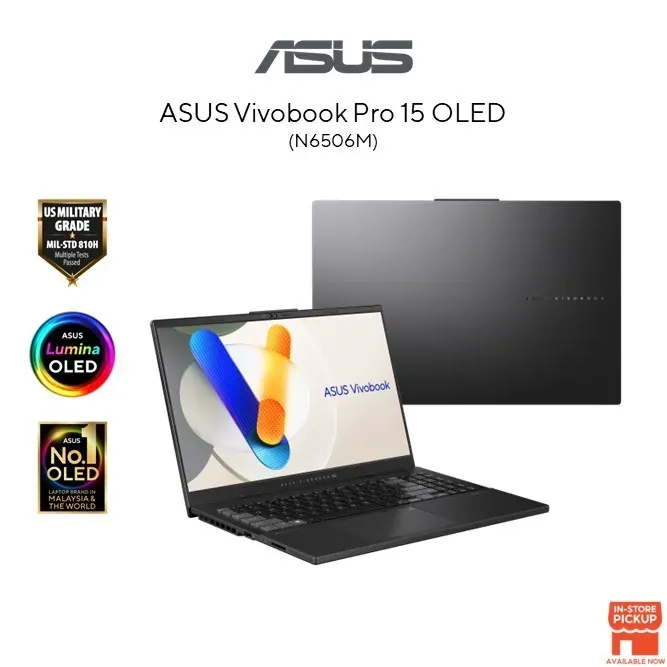
| ASUS Vivobook Pro 15 OLED N6506 | Intel® Core™ Ultra 9 Processor 185H 2.3 GHz (24MB Cache, up to 5.1 GHz, 16 cores, 22 Threads); Intel® AI Boost NPU up to 11TOPS | NVIDIA® GeForce RTX™ 4050 Laptop GPU (194 AI TOPs) 6GB GDDR6 | 15.6-inch, 3K (2880 x 1620) OLED 16:9 aspect ratio, 0.2ms response time, Refresh Rate:120Hz, 400nits, 500nits HDR peak brightness, 100% DCI-P3 color gamut, 1,000,000:1, VESA CERTIFIED Display HDR True Black 600, 1.07 billion colors, PANTONE Validated, Anti-glare and low-reflection(AGLR) display, 70% less harmful blue light, TÜV Rheinland-certified, Non-touch screen, (Screen-to-body ratio)84% | 8GB DDR5 on board 16GB DDR5 SO-DIMM Max Total system memory up to:24GB | 2TB M.2 NVMe™ PCIe® 4.0 SSD | 75WHrs, 4S1P, 4-cell Li-ion | — |
| ASUS Vivobook S Series (2024) – S5406 / S5506 / S5606 / M5406 / M5506 / M5606 | Up to Intel ® Core™ Ultra 9 Processor | — | 15.6” 3K 120 Hz OLED HDR display | Up to 16 GB memory | Up to 1 TB SSD storage | Long-lasting 75 Wh battery | — |
| MacBook Air 13-inch (M3) | Apple M3 chip 8-core CPU with 4 performance cores and 4 efficiency cores | 8-core GPU | Liquid Retina display 13.6-inch (diagonal) LED-backlit display with IPS technology;¹ 2560-by-1664 native resolution at 224 pixels per inch 500 nits brightness Support for 1 billion colors Wide color (P3) True Tone technology | 8GB unified memory | 256GB SSD² | Up to 18 hours Apple TV app movie playback⁴ Up to 15 hours wireless web⁴ 52.6-watt-hour lithium-polymer battery⁴ | 2,962 |
The HP OmniBook 5 looks like the obvious step up from an ageing Pavilion. But Malaysian buyers should weigh its RAM limits and Arm app compatibility against five strong rivals before spending RM4,799.
Malaysia's laptop upgrade market in 2026
Laptop prices climbed sharply this year, and reviewers say the OmniBook 5 no longer sits where it used to. Just Josh notes the machine was bought for $400 last year and is now repositioned as prices "went through the roof". HP Malaysia lists the OmniBook 5 at RM4,799, which puts it in the same bracket as premium ultraportables rather than budget buys.
The OmniBook 5's pitch is battery life and AI features. PCMag measured more than 34 hours on a charge for the 14-inch Snapdragon model, while Lon Seidman saw 12 to 15 hours of typical Office and browsing work. HP's own guide calls it an "all-day endurance champion" and a "capable daily driver".
The catch is configuration. PCWorld's review unit shipped with 8GB of non-upgradeable RAM and limited storage, which the reviewer called hard to overlook "especially if you plan on keeping it around for a few years". Snapdragon X also brings Arm compatibility trade-offs that matter if your workflow depends on specific Windows software.
Our 5 Picks at a Glance
If the OmniBook 5's compromises do not fit your work, these five alternatives cover the same upgrade budget and beyond: the ASUS Zenbook DUO (2024) UX8406 at RM9,999 for dual-screen multitaskers, the ASUS Zenbook 14 OLED UX3405 at RM4,499 for value-focused professionals, the ASUS Vivobook Pro 15 OLED N6506 at RM7,899 for creators, the ASUS Vivobook S Series (2024) at RM4,599 for everyday productivity, and the MacBook Air 13-inch (M3) at RM5,199 for buyers inside Apple's ecosystem.
Battery life and everyday performance
The OmniBook 5 wins on endurance, but that advantage only matters if your day is light. Lon Seidman found it best for "casual work and media use" and not the machine for gamers or professionals needing specialised software. PCWorld's Cinebench 2026 scores of 1,548 multi-thread and 382 single-thread point to daily productivity rather than photo editing.
For a faster all-rounder, the ASUS Zenbook 14 OLED UX3405 at RM4,499 undercuts the HP in Malaysia. The ASUS Vivobook S Series (2024) at RM4,599 covers the same ground with a wider spread of Intel and AMD configurations. If you want a proven macOS daily driver, the MacBook Air 13-inch (M3) at RM5,199 delivers consistent battery behaviour without Arm-on-Windows app worries.
Memory, storage and upgradeability
This is where the OmniBook 5 asks for trust. PCWorld and the 2025 review both confirm the RAM is soldered and non-upgradeable, so the memory you buy is the memory you keep. Thurrott's reviewer recommends considering a RAM and storage upgrade at purchase, which adds cost on top of the sticker price.
Buyers who want headroom should look at the ASUS Vivobook Pro 15 OLED N6506 at RM7,899, a creator-class machine with more room for heavy multitasking. The ASUS Zenbook DUO (2024) UX8406 at RM9,999 trades portability for a dual-screen workflow that suits multitaskers. The MacBook Air 13-inch (M3) at RM5,199 keeps a fixed configuration but a predictable one.
Displays, ports and portability
Screen quality is the OmniBook 5's strongest card. IT Pro praised its "lovely 2K OLED display" and good ergonomics, and the 2025 review called the all-metal build premium for the price. The trade-offs are a plastic keyboard deck, a mediocre webcam and ho-hum graphics performance.
If the display is your priority, the ASUS Zenbook 14 OLED UX3405 at RM4,499 and the ASUS Vivobook Pro 15 OLED N6506 at RM7,899 both centre on OLED panels. The MacBook Air 13-inch (M3) at RM5,199 and the ASUS Vivobook S Series (2024) at RM4,599 favour thin, light chassis for daily carrying. Check port selection on each before you commit, since thin machines vary widely here.
Where to Buy and What to Check
Start with HP Malaysia's official store for the OmniBook 5 at RM4,799, and confirm the exact RAM and storage tier before paying. Ask whether the configuration you want is the 16GB model HP's guide describes or the 8GB unit PCWorld tested.
For the alternatives, buy through ASUS Malaysia and Apple Malaysia official channels or authorised retailers, and verify warranty coverage is local. Prices for the ASUS Zenbook DUO (2024) UX8406 (RM9,999), ASUS Zenbook 14 OLED UX3405 (RM4,499), ASUS Vivobook Pro 15 OLED N6506 (RM7,899), ASUS Vivobook S Series (2024) (RM4,599) and MacBook Air 13-inch (M3) (RM5,199) come from manufacturer product pages, so confirm current pricing at checkout.
Before buying any Snapdragon laptop, list the apps you use daily and check each one's Windows on Arm support. If any critical tool fails that check, pick an Intel or AMD machine instead.
ASUS Zenbook DUO (2024) UX8406
Dual-screen OLED ultraportable for maximum multitasking
Pros
- Two 14-inch 3K 120Hz OLED touchscreens
- Detachable Bluetooth keyboard and built-in kickstand
- Weighs up to 1.35kg
Cons
- Premium RM9,999 price
- Dual-screen setup adds complexity
Features
Dual 14-inch 3K 120Hz OLED touchscreens with a detachable Bluetooth keyboard and built-in kickstand, powered by Intel Core Ultra 5/7/9 processors.
Performance
The second screen effectively doubles workspace for creative and productivity multitasking, at a price and weight premium over a standard ultraportable.
ASUS Zenbook 14 OLED UX3405
Slim 3K OLED ultraportable for everyday productivity
Pros
- 14-inch 3K OLED 120Hz display
- Up to 32GB LPDDR5X memory
- Wi-Fi 6E connectivity
Cons
- Integrated graphics limit heavy creative work
Features
14-inch 3K OLED 120Hz display with Intel Core Ultra 5/7 processors, up to 32GB LPDDR5X memory, PCIe 4.0 SSD and Wi-Fi 6E.
Performance
A well-rounded thin-and-light for office, media and light creative tasks, with the OLED panel as the standout feature.
ASUS Vivobook Pro 15 OLED N6506
Creator laptop with OLED colour and RTX graphics
Pros
- 15.6-inch OLED display
- NVIDIA GeForce RTX graphics on selected configs
- Creator-focused performance
Cons
- Dedicated GPU only on selected configurations
Features
15.6-inch OLED display with Intel Core Ultra processor options and NVIDIA GeForce RTX laptop graphics on selected configurations.
Performance
Built for creator workloads where colour accuracy and GPU acceleration matter, making it the pick for editing and rendering over pure portability.
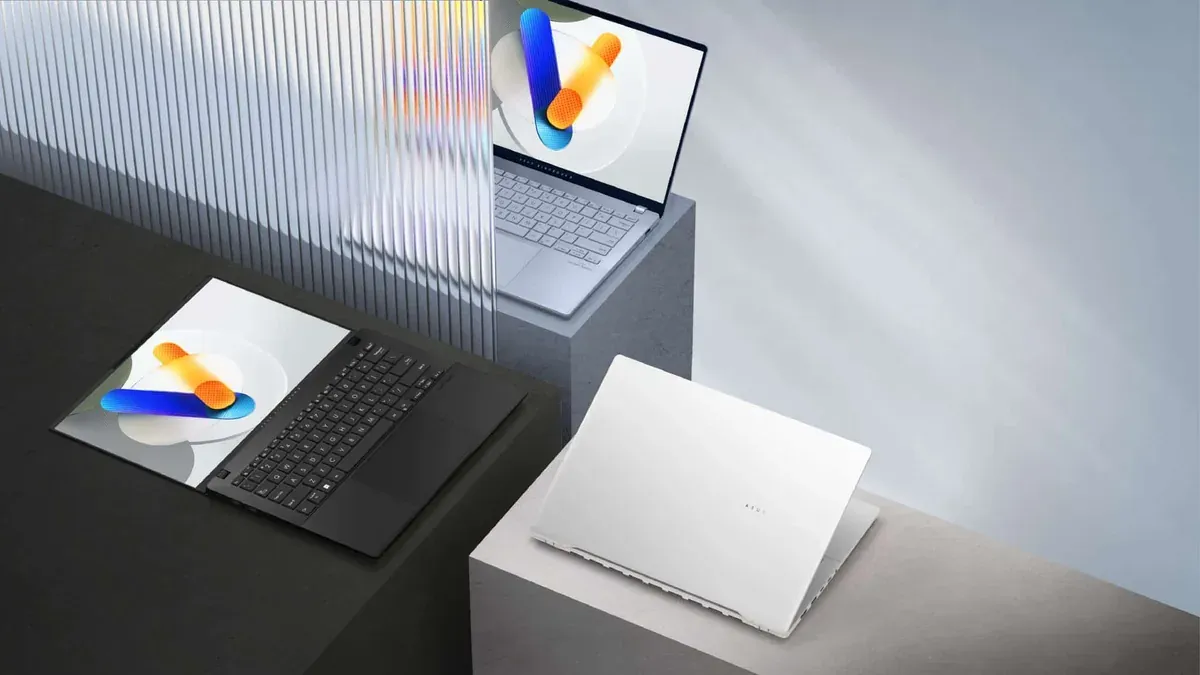
ASUS Vivobook S Series (2024) – S5406 / S5506 / S5606 / M5406 / M5506 / M5606
Mainstream thin-and-light family with Intel or AMD options
Pros
- 14-, 15.6- and 16-inch sizes
- Intel Core Ultra or AMD Ryzen 8040-series options
- OLED options and Copilot key
Cons
- Specs vary widely across the six models
Features
2024 family spanning 14-, 15.6- and 16-inch models with Intel Core Ultra or AMD Ryzen 8040-series options, OLED options, Windows 11 and a Copilot key.
Performance
A flexible mainstream premium range — choose the size and chip that matches your workload, from everyday productivity to light creative use.
MacBook Air 13-inch (M3)
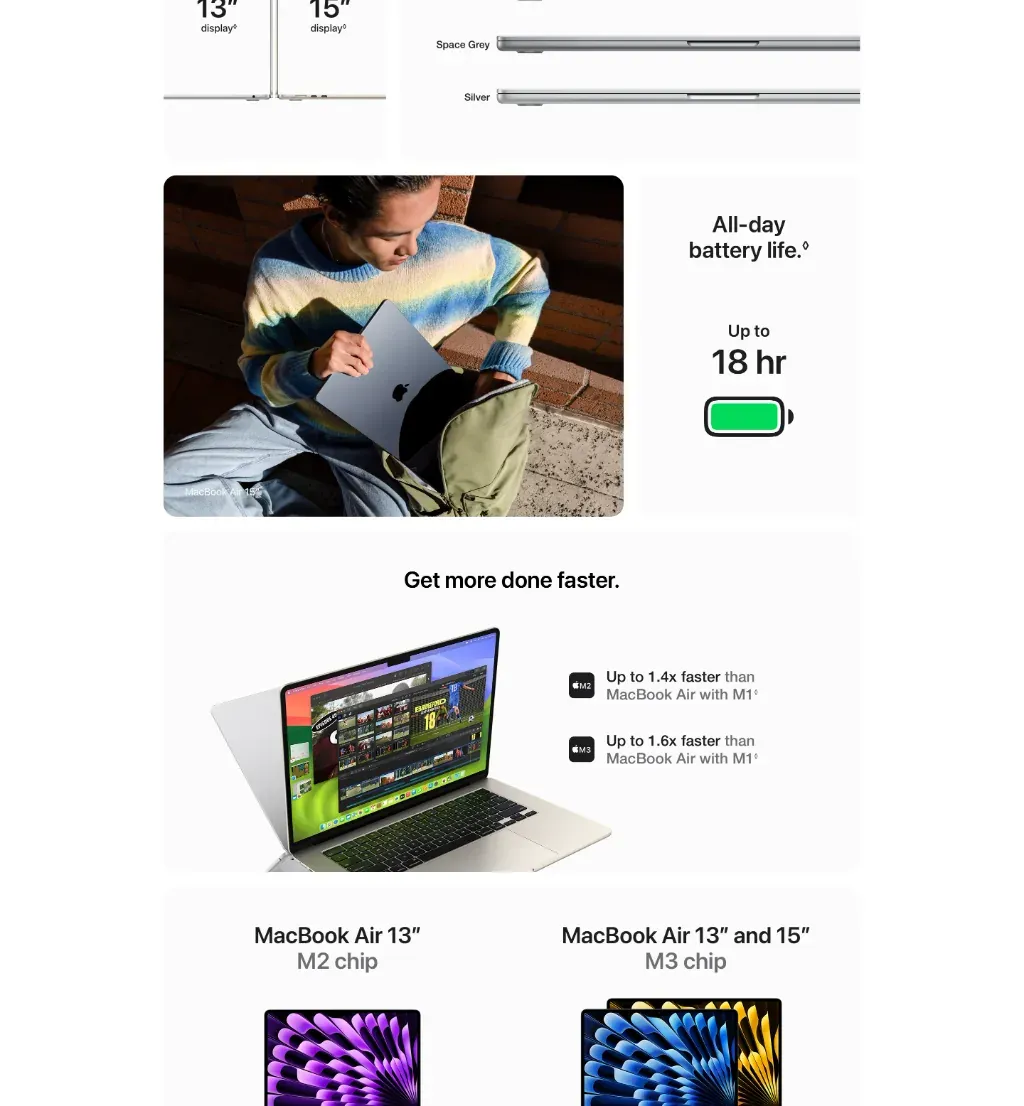
Fanless M3 ultraportable with all-day battery
RM2,962RRP USD 719
No official MYR price — approx. converted from USD 719 at 4.1200 (BNM, 2026-11-20)
Pros
- Apple M3 chip
- Up to 18-hour battery life
- Silent fanless aluminium design
Cons
- Limited to two external displays only with lid closed
Features
Apple M3 chip with a 13.6-inch Liquid Retina display in a fanless aluminium chassis, supporting up to two external displays when the lid is closed.
Performance
Excellent for everyday productivity, browsing and creative apps in macOS, with silent operation and long battery life as the main draws.
Sources
- hp.com — HP positioning of OmniBook 5 as daily driver
- pcworld.com — 8GB non-upgradeable RAM and benchmark scores
- blog.lon.tv — battery life and casual-use verdict
- itpro.com — OLED display and ergonomics praise
- me.pcmag.com — 34-hour battery measurement
- thurrott.com — RAM and storage upgrade advice
- youtube.com — rising laptop prices context